
- BY Shakil Ahmed
- POSTED IN Blog
- WITH 0 COMMENTS
- PERMALINK
- STANDARD POST TYPE
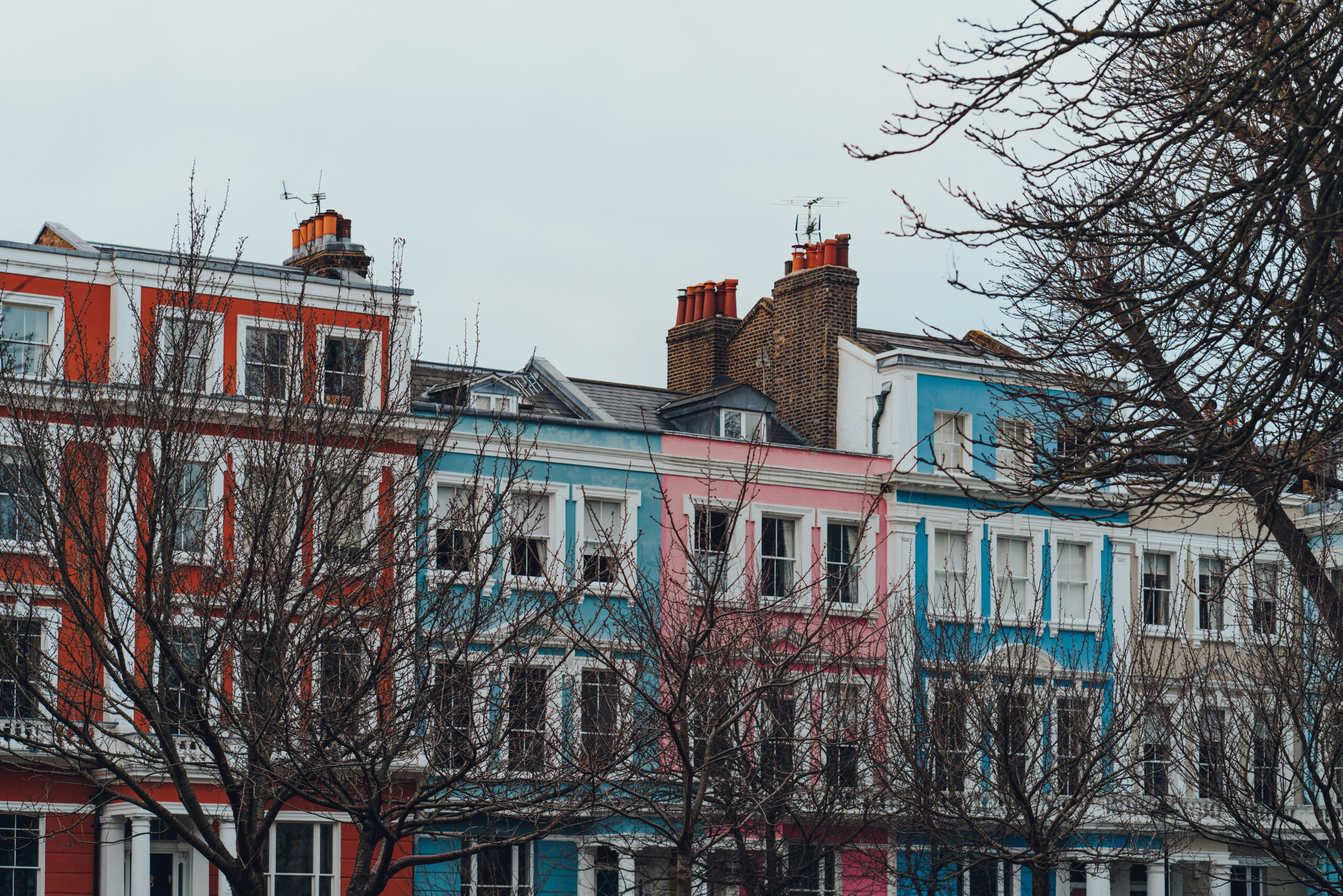
Winter can make some property defects easier to spot, particularly damp, roof leaks and signs of movement. But a visible problem is not the same as a diagnosis, and it does not automatically tell you what the repair will cost.
For buyers of older or altered London homes, a Level 3 Building Survey can help establish the likely significance of defects, whether further investigation is needed and what evidence should be obtained before discussing the purchase price with the seller.
Why winter can reveal more about a property
Cold, wet weather can bring certain defects into sharper focus. Periods of heavy rain may expose leaking gutters, defective flashings, roof failures or poorly performing flat roofs. Colder temperatures can make condensation and ventilation problems more obvious. Damp staining that was barely visible during summer may become more apparent when the building is exposed to prolonged wet conditions.
That does not mean every winter defect is serious. It means buyers need to understand what they are looking at and why it is happening before attaching a repair cost to it.
For many older, altered or visibly defective London properties, an RICS Level 3 Building Survey provides the depth of inspection needed to assess these issues in context. Foundation Surveyors’ recent Level 3 guidance highlights how Victorian terraces, converted properties and older flats often require closer consideration because alterations and historic repairs can complicate the picture.
Before renegotiating, separate the defect from the diagnosis
One of the most important things a buyer can do after receiving a survey is separate what has been observed from what has caused it.
A damp patch, for example, is evidence of moisture. It is not automatically evidence of rising damp. Cracking is evidence that some form of movement or stress has occurred. It does not automatically mean active subsidence. A slipped tile or local roof leak does not automatically mean that the whole roof needs replacing.
Before using a survey finding as part of a negotiation, ask three questions:
- What has actually been observed?
- How serious does the surveyor believe it is?
- What further evidence is needed before a realistic repair figure can be relied upon?
RICS guidance recommends that buyers investigate the seriousness of defects and obtain repair quotations where appropriate before negotiating the purchase price.
Damp: understand the source before pricing the repair
Damp is a symptom, not a single diagnosis.
A good survey considers the wider building and looks for likely moisture sources rather than relying on one reading or one visible patch. Possible causes can include defective gutters, poor roof flashings, broken tiles, open chimney pots, defective pointing, cracked render, raised external ground levels and failed drainage.
Chimney stacks and high-level water ingress
A damp patch on an internal wall may originate much higher up the building.
- failed chimney flashings
- defective pointing
- cracked render
- open or poorly protected chimney pots
- deteriorated masonry
- defects around roof junctions
This matters because treating the internal stain without addressing the external cause is unlikely to solve the underlying problem. Before negotiating on the basis of “damp”, the useful question is whether the likely source has been identified and whether access, scaffolding or specialist roofing work may be needed.
Basement damp
Basement and lower-ground-floor moisture can be more complex because there may be several contributing factors.
- failed or ageing waterproofing
- groundwater pressure
- defective drainage
- high external ground levels
- condensation
- poor ventilation
- leaks from services or adjoining areas
A Level 3 survey can help identify visible evidence and likely areas of concern, but some cases may require further specialist investigation before the repair route can be properly understood. That distinction matters during negotiation. A buyer should avoid applying a worst-case basement repair figure before establishing what the actual defect is.
Converted lofts and moisture problems
Converted lofts can also present their own combination of risks.
- water ingress around dormers
- defective roof junctions
- poor flashing details
- inadequate ventilation
- condensation within the roof space
- insulation-related moisture problems
- restricted access to parts of the original roof structure
A visible stain does not automatically tell you whether the problem is an isolated leak or part of a wider roof or ventilation issue.
Roof defects: local repair or wider liability?
Roof problems are particularly important because relatively small defects can lead to internal damage if left unresolved.
A Level 3 inspection allows a surveyor to consider the roof structure, roof coverings and accessible roof spaces in greater detail. This helps distinguish localised repair issues from defects that may indicate wider deterioration or replacement risk.
Flat roofs
Flat roofs are common on rear additions, extensions and converted properties across London. Potential issues include:
- ageing coverings
- splits or blistering
- defective upstands
- failed junctions
- blocked outlets
- ponding water
- poor drainage
- localised water ingress
The key distinction for a buyer is whether the defect appears localised and repairable or whether the covering is nearing the end of its serviceable life. Those two situations can have very different financial implications.
Parapet gutters
Parapet and concealed gutters are another feature that can cause significant problems when maintenance is poor. Possible defects include:
- blocked outlets
- failed linings
- leaking joints
- poor falls
- hidden deterioration
- difficult access for maintenance
These defects can be difficult to identify from a normal viewing because the gutter may be concealed behind a parapet or roof edge. That makes survey evidence particularly useful before a buyer starts estimating repair costs.
Flashings, coverings and rainwater goods
Other roof-related defects may include slipped or broken tiles, defective lead flashings, deteriorated mortar, blocked gutters, leaking downpipes and inadequate discharge of rainwater.
Some of these may be relatively straightforward maintenance items. Others may indicate a larger problem. The buyer needs to know which is which.
Structural movement: context matters more than the crack alone
Cracking is common in older buildings, but its significance depends on the pattern, location and wider evidence.
A surveyor will typically consider factors such as:
- crack width and direction
- where the cracking occurs
- whether doors or windows are distorted
- whether similar cracking appears elsewhere
- the age and construction of the property
- previous extensions or alterations
- removed chimney breasts
- loft conversions
- evidence of previous repairs
- whether movement appears historic or potentially ongoing
Victorian bay movement
Bay windows are a common feature of Victorian and Edwardian London houses. Cracking around a bay can sometimes be associated with historic settlement, differential movement between the bay and main building, deterioration of supporting elements, altered openings, previous repairs or movement around window frames.
The presence of a crack alone does not establish whether the movement is active. That is why a Level 3 survey looks at the wider pattern rather than treating one visible defect in isolation.
Historic alterations and converted properties
London properties are frequently altered over decades. A house may have a loft conversion, a rear extension, removed chimney breasts, internal walls taken out, a basement conversion or multiple phases of repair.
These changes can make movement more difficult to interpret because some cracking may be linked to historic alterations rather than a current structural problem.
When further investigation is needed
Sometimes the right conclusion from a survey is not an immediate repair recommendation. It is a recommendation to obtain more evidence.
- a structural engineer
- a roofing contractor
- a drainage specialist
- a damp or building pathology specialist
- another relevant contractor or professional
A recommendation for further investigation should not automatically be treated as evidence of the worst possible outcome. It means there is not enough information yet to make a reliable conclusion.
What a Level 3 survey gives the buyer
An RICS Level 3 survey is designed for properties that are older, altered, unusual, run-down or where major works may be planned. For defects such as damp, roof problems and movement, the report can help the buyer understand:
- what defect has been observed
- where it is located
- the likely significance
- possible causes
- what could happen if it is not addressed
- whether further investigation is recommended
- likely repair options
- likely priority and timing of work
For buyers considering a more conventional property in reasonable condition, a Level 2 Home Survey may be more appropriate. Foundation Surveyors describes its Level 2 service as suitable for standard houses, flats and bungalows in reasonable condition while still identifying significant issues such as damp, subsidence and movement cracks.
How Level 3 findings support price negotiations
A survey does not tell a buyer what discount they should demand. It gives them evidence on which to make a more informed commercial decision.
- Establish the defect. Identify exactly what the surveyor has found.
- Understand its significance. Is it routine maintenance, an urgent repair, a major liability or something that requires further investigation?
- Obtain the right evidence. Arrange specialist advice or contractor quotations where the report recommends it.
- Establish realistic cost exposure. Use written quotations where practical rather than generic online estimates.
- Separate current defects from future maintenance. An ageing roof that may require replacement in several years is different from an actively leaking roof needing immediate attention.
- Negotiate using evidence. If the defect represents a genuine and material cost, the survey and supporting quotations provide a clearer basis for discussing the price.
RICS recommends obtaining written quotations from experienced contractors before making a legal commitment to buy where repairs have been identified, after which the buyer can approach the seller about the purchase price.
When survey findings affect remedial quotes or insurance enquiries
Some findings may also prompt buyers to seek information beyond the immediate purchase negotiation. For example, they may need:
- a detailed repair quotation
- confirmation of structural advice
- evidence about previous alterations
- drainage investigations
- information requested by a lender or insurer
The survey does not determine how a lender or insurer will respond. Its value is that it helps identify where further evidence is needed before the buyer commits to the purchase.
What not to do after receiving a worrying survey
A detailed report can feel daunting, particularly when several defects appear together. Try to avoid:
- assuming every serious condition rating requires immediate replacement
- treating all damp as rising damp
- treating every crack as subsidence
- applying a worst-case repair figure without further evidence
- relying only on online cost calculators
- ignoring recommendations for specialist investigation
- treating routine future maintenance as an immediate seller liability
The point of the survey is not to make the property sound worse than it is. It is to make the risks clearer.
The survey should improve the decision, not simply list defects
For London buyers, the most useful survey is one that helps turn visible defects into informed decisions.
Damp, roof problems and cracking can all look worrying during a viewing, particularly in winter. What matters is understanding why the defect is there, how significant it is and what evidence is needed before attaching a cost to it.
For older, altered or visibly defective properties, a Level 3 survey provides the additional depth needed to investigate those questions and identify where further specialist advice or repair quotations should be obtained.
If you are buying a property in London and want a clearer understanding of its condition before exchange, Foundation Surveyors provides RICS Level 2 Home Surveys and Level 3 surveys to help buyers identify significant defects, likely maintenance requirements and areas requiring further investigation.